
As is the case with assault and intimate partner violence, alcohol abuse makes it more likely that an individual will commit acts of child abuse. Roughly 40% of child abusers admit to being under the influence of alcohol at the time of the abuse. Alcohol abuse also distracts parents from their children and causes them to ignore and neglect them.
It is interesting, therefore, that a sizable percentage of males (15.6 percent) and females (14.14 percent) reported being a victim of a predatory crime at Wave 4. Any forced, unwelcome, and/or non-consensual sexual act is sexual assault; unwanted touching, tom arnold stroke kissing, and intercourse are all examples. Although most commonly committed by men against women, a person of any gender may be a perpetrator or victim of sexual assault. Between 30% and 40% of reported sexual assaults, including rapes, are committed by a perpetrator under the influence of alcohol. It is likely that this percentage is much higher for the much larger number of unreported sexual assaults. Alcohol is also used by some sexual predators to lower the inhibitions of their victims or even incapacitate them so that they are unable to resist.
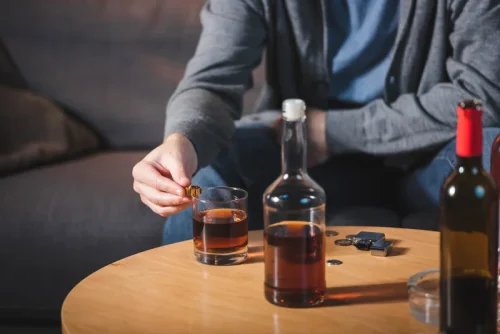
Excessive consumption in a single sitting is likely to heighten emotions and therefore lead to aggressive behavior between intimate partners, more so if there are underlying issues that are yet to be solved. Moreover, alcohol is also frequently used by sexual offenders to incapacitate victims or lower their inhibitions and, therefore, reduce their ability to resist unconsented sexual advancements. According to the National Council On Alcoholism and Drug Dependence (NCADD), alcohol plays a role in 40% of all violent crimes in the US. Alcohol and crime have a closely interconnected relationship, with alcohol abuse being a contributing factor to crime and crime being a contributing factor to alcohol abuse. If you’re ready to quit drinking and put the negative impacts of alcohol abuse behind you, it’s time to seek professional care. Nearly 10,000 people are killed drinking age in russia annually on U.S. roadways due to alcohol-related accidents.
- Public-order crimes caused by drinking include drunk driving, domestic violence, and alcohol-related sexual assaults.
- Similarly, mixed findings were also reported for 5-HT1A and 5-HT2A receptor bindings (Underwood et al., 2008, 2018; Storvik et al., 2009).
- About 27% of aggravated assaults are committed by individuals who have used alcohol.
- To date, very few studies have tested the gender difference hypothesis using both the male and female subjects.
Public Intoxication
We find a strong positive relationship between alcohol consumption, the commission of crimes, and criminal victimization for both genders. Children and adolescents aren’t physically or mentally mature enough to handle intoxication or other effects of alcohol. Parents who abuse alcohol might also neglect their children, leaving them at risk for abuse in future relationships. Child abuse victims may also develop alcohol use disorder (AUD) later in life as a result of the trauma. And since alcohol consumption increases aggression and carelessness, an intoxicated person may use excessive force or potentially dangerous items as weapons, thereby leading to negligent homicide. Between 29%- 40% of reported sexual assaults are committed by perpetrators found to be under the influence of alcohol.
What Is Alcoholism?
Although an instrumental variable estimation technique is superior to a fixed-effects analysis, the Add Health data do not include state identifiers, hence the models cannot include state-specific policy variables that could serve as good instrumental variables. Nevertheless, the results of the present study are highly robust to the use of different measures of criminal activity and alcohol use, and they are consistent in direction and significance across different empirical specifications. Alcohol use, delinquency, criminal activity, and other risk-taking behaviors are more prevalent during adolescence (Arnett, 1992; Farrington, 1986), and adolescents and young adults contribute to a large proportion of all arrests.

The level of alcohol abuse by the perpetrator also correlates with the frequency, severity, and timing of the abuse. Many perpetrators of intimate partner violence use alcohol as an excuse or justification for their actions and promise their victims that their violence was the result of alcohol and not their own actions. Alcohol use is often connected with criminal demi moore sobriety activity for both perpetrators (Pihl and Peterson, 1995; Collins and Messerschmidt, 1993) and victims (Johnson et al., 1978; Wolfgang and Strohm, 1956). Greenfield and Henneberg (2001) surveyed probationers and prisoners and found that 38 percent reported drinking at the time of the crime. In addition, alcohol was involved more frequently in violent and public disorder crimes than in property crimes. A meta-analysis of medical examiner studies conducted between 1975 and 1995 estimated that 32 percent of homicide victims were intoxicated when they were killed (Smith et al., 1999).
Department of Justice, 44.4 percent of all persons arrested for criminal offenses in the United States in 2006 were under 24 years of age (Pastore and Maguire, 2006). These behaviors occur more frequently among adolescents, who are still developing judgment and decision-making skills and may be limited in their ability to accurately assess risks. Moreover, adolescents have less impulse control and might be more vulnerable to problematic alcohol use than adults.
Intoxication can make an individual loud, aggressive, belligerent, and disruptive. In order to limit damage, most jurisdictions want to limit alcohol use to designated areas like restaurants, bars, and homes. Public intoxication is often problematic to prove from a legal perspective, and many jurisdictions use this crime primarily to remove belligerent drunks from public places and sequester them in a jail cell until they sober up. A recovery program will be able to help you quit drinking and provide various types of therapy for other underlying conditions that may trigger your alcohol problem. For example, if you become violent and aggressive after drinking, treatment professionals will be able to work with you on anger management skills.
Don’t Let Yourself Be A Victim Or A Perpetrator
To account for this, we re-estimate all models with a fixed effects linear probability model (see Appendix Table D). The results are consistent in sign and statistical significance with the core models. All coefficient estimates suggest a positive association between alcohol use and each of the criminal activity measures. Third, results from previous studies indicate that males are more likely than females to engage in drinking as well as criminal activity (Robbins and Martin, 1993; Steffensmeier and Allan, 1996). Rates of criminal activity for male respondents in the Add Health data are more than double those for females in all four waves. In light of these differences, we estimate separate models for males and females to identify gender differences in these relationships.
Treatment Programs for Alcoholism
Block and Block (1992) defined expressive murders as a result of the expression, emotions, and psychological states. Emotional states such as anger, frustration, and hostility are said to lead an individual to perform expressive murders. In this context, alcohol is said to be the credible factor leading to emotional loss and instability and eventually leading to expressive-based murders.
]]>
Contrary to this, a single administration of 0.5 per thousand alcohol was shown to reduce frontal interhemispheric connectivity in female participants, but not in male participants (Hoppenbrouwers et al., 2010). Intergender neurological and behavioral responses to alcohol are also influenced kaiser drug treatment by ethanol metabolism (Arthur et al., 1984) and influences of hormones such as testosterone, cortisol, estradiol, progesterone, and oxytocin (Denson et al., 2018). Prior reports have established alcohol-induced aggression among males (Lipsey et al., 1997), which appears to vary across the ethnic groups and geographical regions (Caetano et al., 2001).
Share of crimes which are alcohol-related
Get professional help from an online addiction and mental health counselor from BetterHelp. Enter your phone number below to receive a free and confidential call from a treatment provider. At the link below you can find a detailed description of the structure of our data pipeline, including links to all the code used to prepare data across Our World in Data.
Alcohol and Domestic Abuse/Violence
Many cities across the United States have seen a steady increase in robberies and property-related crime. Alcohol can intensify a robber’s feelings of desperation and cause them to steal someone’s money or property. While some robbers desire a better lifestyle or want to make a quick buck, others can turn into repeat offenders. The consequences of robbing someone are harsh and may entail time in jail, criminal charges on your record, fines and other legal troubles. Alcohol-fueled vandalism is a form of destructive behavior that occurs when individuals under the influence of alcohol damage or destroy property, often public or private, that doesn’t belong to them.
Alcohol is the leading cause of intimate partner violence in most households across the country. And since alcohol impairs judgment, an intoxicated individual is likely to use more force than needed and use available objects as weapons to inflict as much damage as possible. As you continue to consume alcohol, you’re more likely to become aggressive and hostile, which increases the chances of violent reactions when provoked. Public intoxication (also public drunkenness) is criminalized in most jurisdictions as it disturbs peace and puts members of the public in danger. Calls made to numbers made on a specific treatment provider listing or in the description of a treatment center will be routed to that specific treatment provider. Calls to the main National TASC website number will be routed to one of the following treatment providers.
Child Abuse

Discarded alcoholic beverage containers, especially broken glass shards that are difficult to remove, does not only create an eyesore but may also cause flat tires for cyclists, injure wildlife or kids. Also, people under the influence may forget to extinguish outdoor fireplaces, which may create a fire hazard since unchecked fires can escalate into wildfires. Some crimes are uniquely tied to alcohol, such as public intoxication or underage drinking, while others are simply more likely to occur together with alcohol consumption. Add Health provides detailed socioeconomic and demographic information on survey respondents. The control variables include years of schooling, age, health status, smoking status, any marijuana use in the past 30 days, any other illicit drug use in the past 30 days, labor market income, employment status, and marital status at Waves 1, 2, 3, and 4. Indicators for race, ethnicity, and being born outside the U.S. were measured at Wave 1.
Research studies have shown a link between parents who abuse alcohol and the risk of child neglect and abuse. Roughly four in ten child abusers have admitted to being under the influence of alcohol during the time of the offense. Children who are victimized at a young age have an increased risk of developing behavioral and physical problems as they get older. In line with this, using a sample of 85 countries, Weiss et al. (2018) reported no association between alcohol consumption level and homicide rates; however, they found a positive association between hazardous drinking pattern and homicide rates.
What Are Alcohol-Related Crimes?
- A recovery program will be able to help you quit drinking and provide various types of therapy for other underlying conditions that may trigger your alcohol problem.
- Public intoxication is often problematic to prove from a legal perspective, and many jurisdictions use this crime primarily to remove belligerent drunks from public places and sequester them in a jail cell until they sober up.
- Chervyakov et al. (2002) reported that 4 in every 5 Russians convicted of murder were intoxicated with alcohol during the murderous act.
- Rum-running, the illegal business of smuggling alcoholic beverages where such transportation is forbidden by law.
The consequences of alcohol-fueled vandalism can be significant for both the victims and the perpetrators. Beyond the what is salvia trip financial impact, vandalism can also create a sense of fear and insecurity within communities. For the perpetrators, vandalism can lead to criminal charges, fines, or even jail time. The survey asked how many days in the past 12 months respondents drank five or more drinks in a row.
Third, offenders might drink to provide an excuse for their criminal behavior (Fagan, 1990). Finally, unobserved individual factors, such as a sensation-seeking lifestyle, may encourage both behaviors (alcohol consumption and criminal activity) (Fagan, 1990). Investigating these relationships empirically is challenging because estimates will be biased if alcohol use is endogenous (i.e., correlated with an unmeasured and/or unobserved factor(s) that is also related to criminal activity). Intimate partner violence, also known as domestic violence, is behavior within an intimate relationship that causes physical, emotional, mental, or sexual harm to someone else in the recovery games for groups relationship.
Treatment programs aim to not only help people quit drinking but also to address and treat co-occurring conditions. Others may also choose to join support groups where they can find guidance and peer support. It is also easy for drunk peers to pressure each other to commit offenses that they would otherwise avoid when sober. Due to the severity of the risks, DUI attracts heavy fines and even lengthy jail time.
]]>
The article will also discuss prevention measures and treatment considerations for those patients at risk for, considering, or currently using PEDs. Athletic life may lead to drug abuse for a number of reasons, including for performance enhancement, to self-treat otherwise untreated mental illness, and to deal with stressors, such as pressure to perform, injuries, physical pain, and retirement from sport. This review examines the history of doping in athletes, the effects of different classes of substances used for doping, side effects of doping, the role of anti-doping organizations, and treatment of affected athletes. Doping goes back to ancient times, prior to the development of organized sports. Performance-enhancing drugs have continued to evolve, with “advances” in doping strategies driven by improved drug testing detection methods and advances in scientific research that can lead to the discovery and use of substances that may later be banned. Many sports organizations have come to ban the use of performance-enhancing drugs and have very strict consequences for people caught using them.
Health Challenges
- A test based on gas chromatography/combustion/isotope ratio mass spectrometry can detect the difference in 13C/12C ratios (CIRs) in endogenous and exogenous testosterone (360).
- Considering the significance of sustainability and the adverse impact of industries on it, sustainable supply chain management emerges as an approach that seeks to improve processes and products in alignment with economic, social, and environmental requirements.
- The effectiveness of the system was clear after Russia dominated the medals table at the 2010 Winter Olympics and then performed better than expected at the 2012 Summer Olympics, all while protecting most athletes from testing positive (McLaren, 2016a).
- Sporting authorities have banned many drugs because they may give an athlete an unfair advantage.
In the reverse of what the IAAF hoped, sending her home to East Germany meant she was free to train unchecked with anabolic steroids, if she wanted to, and then compete for another gold medal, which she won. This is a serious medical issue that can have permanent consequences, such as brain damage and an increased risk of cancer and cardiovascular disease. Having a blood transfusion to increase the number of red blood cells in the body is an example of this.
Social Media Reacts to Funny But Very Scary Squat Fail
A number of nonsteroidal SARMs, which display tissue-specific activation of androgen signaling, are in development (8, 13). Food and Drug Administration has not approved these novel nonsteroidal SARMs for clinical use, some of them are already being sold illicitly on the Internet. Although it is widely believed that AAS Performance Enhancing Drugs use is common among teenagers, the great majority of AAS use begins after the teenage years (Figure 3). Data on high school drug use from the University of Michigan’s Monitoring the Future study provides valuable information concerning the youngest AAS users (38). As shown in Figure 3, some 2% of American high school students report having used AAS in the past 12 months.
Growth Hormones
It is the goal of this article to increase the awareness of the medical provider about the types of steroids and other medications used, the influence these substances have on the athletes, and how and why they use them. The recognition of life-threatening and serious nonfatal consequences of performance-enhancing drug use and treatments has led sports organizations and governments to cooperatively initiate an international campaign to eliminate doping by athletes. A World Anti-Doping Code has been universally accepted, and research, laboratory testing, and education are promoted by the World Anti-Doping Agency (WADA).
- The approved gene therapies include alipogene tiparvovec for the treatment of lipoprotein lipase deficiency and recombinant human adenovirus-p53 to inhibit cancer cell growth (409, 410).
- And someone trying to qualify for a lower weight class may rely on stimulants for their ability to suppress appetite.
- The authors found that, in 17 of 19 clinical trials involving non-asthmatic competitive athletes, the performance-enhancing effects of inhaled beta2-agonists could not be proved.
- Testosterone (T) is a naturally produced hormone and the native ligand for the androgen receptor.
- In this view, health promotion is achieved by prohibiting athletes from using substances for which ‘medical or other scientific evidence, pharmacological effect or experience that the Use of the substance or method represents an actual or potential health risk to the Athlete’ (WADA, 2019, p.30).
In bodybuilding, insulin is often used as a performance-enhancing substance due to its anabolic effects. Insulin stimulates the uptake of amino acids and glucose into muscle cells, promoting muscle growth and repair 16. When insulin is used improperly or excessively, it can cause hypoglycemia, a dangerous condition characterized by low blood sugar levels. Hypoglycemia can cause dizziness, confusion, sweating, and even loss of consciousness. First and foremost, USADA works to prevent doping because performance-enhancing drugs (PEDs) can be extremely dangerous and even deadly in some cases. Athletes who use prohibited substances, such as peptide hormones and anabolic agents, are at greater risk of serious health complications, including liver damage, stroke, and heart attack.
What is the Impact on Young Athletes and Role Models?
It’s a risky gamble, especially considering the lack of scientific evidence to suggest that hGH actually increases athletic performance. Some may have conditions or lifestyles that make participating riskier, and others may take risks by taking performance-enhancing drugs. By Elizabeth Quinn, MSElizabeth Quinn is an exercise physiologist, sports medicine writer, and fitness consultant for corporate wellness and rehabilitation clinics. There are two different types of controls that can be conducted in competition or in training. It is important that tests are conducted by independent organizations that treat each athlete equally, indifferent of fame or nationality. To learn more about the use of prohibited substances in sport visit the Sport Integrity Australia website.
- The IOC also works closely with WADA to ensure that athletes who compete in the Olympics comply with anti-doping regulations.
- Also know as “Clen,” clenbuterol is a bronchodilator approved of the treatment of asthma.
- Furthermore, this issue negatively impacts financial aspects such as liquidity, cost analysis, and pharmacy profitability.
- As anti-doping policies and testing measures were put in place and enforcement increased, athletes, clubs, teams, and even countries responded by instituting systems underpinned by secrecy that would enable doping use to continue while simultaneously reducing the risk of harms to all involved.
- Outside of the Olympics, other sports organizations’ rules on marijuana use have become more relaxed in the last few years.
These drugs, however, can be extremely dangerous and, in certain situations, deadly. The negative effects these drugs can have on one’s body make USADA’s mission paramount as to why no athlete should ever have to consider PED use to succeed in sport. While governments remain committed to drug policy approaches that emphasise prohibition, HAT stands out as a concession shaped by evidence, pragmatism, and humanism. Decades of draconian punishments have failed to eliminate, or even consistently lower levels of recreational drug use within the general population; there were more than a half million deaths related to illicit drug use in 2017 alone (United Nations Office on Drugs & Crime, 2019).
- Despite these differences, AAS dependence may nevertheless become a chronic and potentially dangerous disorder.
- Athletes who unknowingly or accidentally ingest a prohibited substance are held to the same standard as those who intentionally use doping substances and must demonstrate a lack of intent.
- The International Amateur Athletic Federation, now World Athletics, was the first international governing body of sport to take the situation seriously.
- Additionally, the attention-based fusion module further enhances the predictive performance of TransCDR.
- Recently the debate over doping has usefully been presented anew within the context of sports medicine.
International Patients
In both cases, the supply and use are centrally managed in order to manage the risks of substance use for individuals who would be otherwise incapable of doing this effectively on their own. Though systematic doping is often done for collective performance enhancement, related concerns include avoiding detection and ensuring athletes remain healthy enough to compete. As such, systematic doping may also be a way of managing risks (e.g. safe supply, dosing oversight, side effect management) that would be greater if each athlete were to undertake doping individually.
This blog will provide details on some common performance enhancing drugs and measures to detect these drugs. WADA has also taken the lead in the development of the athlete biological passport concept.61 WADA’s athlete biological passport operating guidelines took effect in 2009. The fundamental principle of the athlete biological passport is based on the monitoring of selected parameters over time that indirectly reveal the effect of doping, as opposed to the traditional direct detection of doping by analytical means.
If the delivery rate is low or inefficient, it can contribute to the accumulation of expiring medicines within pharmacies. This, in turn, can lead to a higher rate of medicine disposal or expiration, increasing the total waste of medications. Once the causal relationships within the system have been analyzed and understood, the next step is to test the complete system dynamics model. By conducting careful and deliberate simulation experiments, valuable insights can be gained into the real problem and the functioning of the systems involved in the problem situation. This process aligns with the fundamental objective of system dynamics modeling, which aims to understand the behavior of the actual system. The construction of a Stock and Flow Diagram for a system involves utilizing various sources of information, including subject literature, expert opinions, and data obtained through sampling over time.
]]>
The consensus seems to be that performance-enhancing drug use, particularly steroids and human growth hormone, has increased over the past quarter century, and public perception may be that a large percentage of athletes use performance-enhancing drugs. Research, however, suggests that a relatively small percentage of athletes in fact use performance-enhancing drugs. The most recent NCAA study found that only 1.2% of college athletes had used steroids in the past year.
Performance-Enhancing Drug Use (Including Anabolic Steroids) by Adolescents and College Students
One of America’s top sprinters, Sha’Carri Richardson, won the women’s 100-meter event at the U.S. track and field trials in June. She was set to make her Olympic debut in Tokyo this month, but tested positive for marijuana following her race. The positive result invalidates her win and brings with it a one-month suspension levied by the United States Anti-Doping Agency. Glorifying “natural” playing in sports only encourages more injuries and, thus, short careers. Sports “ain’t never been clean,” says Charles Yesalis, former Pennsylvania State University professor and long-time performance-enhancing drug researcher.
- Just as EPO can be used to boost the number of oxygen-carrying red blood cells, blood transfusions can directly inject an extra dose of oxygen-rich red blood cells into the blood stream.
- The main problem addressed in this research is focused on sustainable drug supply chain management within inpatient pharmacies.
- The article has highlighted the history and evolution of performance-enhancing substance use in bodybuilding, the types of substances used, and their short-term and long-term health effects.
- These included 6 studies that evaluated AAS users in person and 3 Internet surveys of AAS users (19).
- Data on high school drug use from the University of Michigan’s Monitoring the Future study provides valuable information concerning the youngest AAS users (38).
Data and Research
It is suggested that this contradiction stems from the overwhelming focus on performance enhancement as a form of drug abuse. A structural understanding of steroids, their metabolites, and testosterone is central to developing analytical protocols for their detection. Testosterone (T) is a naturally produced hormone and the native ligand for the androgen receptor. When this receptor binds to an androgen such as testosterone or a synthetic steroid, it becomes activated, resulting in desirable performance-enhancing effects including increased muscle strength, bone density, and red blood cell production. While stronger muscles and bones are an obvious advantage for an athlete, the increased red blood cell production provides more oxygen to muscles and organs, which fuels energy production and recovery.
Performance-enhancing drugs and their impacts
Most of the issues involving the definition of performance-enhancing drugs in the past have been relatively clear cut. However, with the continuing advancement of medicine and particularly the application of psychotropic medicines, the sports psychiatrist will need to become an integral player in this complex social, moral, and medical drama. Psychiatrists who work with professional athletes will be faced with unique challenges that must be identified, acknowledged, and acted upon in agreement within the sport to ensure the integrity of the profession. Selective androgen receptor modulators, or non-steroidal drugs that grow muscle. A recent study by the Journal of the American Medical Association showed that many of these products contain unapproved substances, hormones, or even steroids. As described, APEDs encompass a wide range of substances from diet pills, which are easily obtainable in most pharmacies, to AASs, which are controlled substances and illegal.
Additional file 8: Table S5. The top 15 drug-cell line pairs predicted by TransCDR.
- Athletes may use cocaine to improve focus, endurance, or to increase confidence, which it is claimed could provide them with an unfair advantage.
- Thus, most of the evidence about the medical consequences of PED use has emerged from case-control studies, case reports, and retrospective surveys and, as such, is generally not of high quality.
- The time has come for these agencies to develop a published, standardized policy that clearly and fairly defines which athletes meet criteria for psychiatric disorders and what drugs provide psychoactive properties that enhance performance.
- Despite its enormous promise, the progress in the gene therapy field has lagged substantially behind the early expectations because of technological and safety issues.
- A, The types of PEDs used by competitive athletes based on WADA’s 2011 testing data.
Even though it can be used medically as a local anaesthetic for certain medical procedures, it is a highly regulated and controlled substance due to its high potential for addiction and abuse. Stimulants are the second most reported banned substance behind steroids, accounting for 15.5 Performance Enhancing Drugs percent of all WADA incident reports in 2012. Blood transfusions carry the risk of infection, and abnormally high red blood cell counts can lead to heart disease and stroke. Synthetic versions of the iron-based molecule that tethers oxygen to the blood cells, hemoglobin, are also used as a performance-enhancing drug.
It is possible, though, that the most effective doping systems for reducing harms may be the ones that have thus far avoided detection. The International Association for Athletics Federations banned all Russian athletes from international competitions in 2016, including the Olympics. In 2018, the International Olympic Committee banned Team Russia from the Winter Olympics, allowing Russian athletes to compete independently under the neutral Olympic flag. Even athletes who were not part of the doping system suffered reputational and economic damages.
Moreover, we investigate the biological mechanisms underlying drug response by classifying 7675 patients from TCGA into drug-sensitive or drug-resistant groups, followed by a Gene Set Enrichment Analysis. Accurate and robust drug response prediction is of utmost importance in precision medicine. Therefore, most of the information is anecdotal, and these reports are often confounded by concurrent use of other PEDs, especially AASs. The likely adverse effects include edema, excessive sweating, myalgias and arthralgias, carpal tunnel syndrome, and diabetes (Table 2).
- The clinician should maintain a high degree of suspicion and look for “red flags” in the history and physical examination.
- The metabolic actions of hGH also interact with those of insulin (and perhaps IGF-1) to control fat.
- Since doping and other forms of cheating have been present throughout the recorded history of sport, it is clear that prohibition is ineffective without systematic detection procedures and enforcement of sanctions.
- Thirdly, the fusion representation of CDR is obtained by concatenating representations of drugs and cell lines, thereby limiting CDR models’ performance.
Cell line representations
For some APED users, the polypharmacy has evolved into an almost constant use pattern, where the user may take low doses of AASs between cycles to prevent post-cycle discomfort and to help maintain the gains of the previous cycle. This form of APED use, known as ‘bridging’ can also be treated like a self-directed form of hormone replacement therapy. The sporting world long suspected there was performance enhancing drug use in professional athletes such as Lance Armstrong, Barry Bonds, Alex Rodriguez, and many other amateur and Olympic athletes, yet they never failed a drug test.
EFFECTS OF PEDS: TESTOSTERONE VIDEO TRANSCRIPT
- This is done by actioning anti-doping principles set out in Australian legislation and also meeting international requirements.
- This high-profile investigation resulted in a 409-page report11 that not only made recommendations but also identified a number of high-profile baseball players who admitted illegal drug use.
- When used during sport, cocaine is considered to have performance enhancing effects and is prohibited under the World Anti-Doping Code and listed under the Substances of Abuse Category.
- By way of discussion and conclusion, it is argued that current social thinking on the issue of performance enhancement is contradictory with respect to values and practices.
These drugs might lower the damage that happens to muscles during a hard workout. Some athletes use diuretics to mask the presence of other drugs such as anabolic steroids. The athletes who need to ‘make a weight’ such as a boxer or judo player may also be tempted to use a diuretic as it can cause rapid weight loss. Drug abuse in the athlete population may involve doping in an effort to gain a competitive advantage.
Other prescription drugs
Adolescents who lift weights or play football were more likely to use creatine, amino acids, dehydroepiandosterone (DHEA), growth hormone, or anabolic steroids. With the increase in number of childhood athletes, the stress to perform at a high level has increased. Parents, coaches, and the players themselves are constantly pushing themselves to perform. This drive to be successful in athletic competition often is a positive one, resulting in increased self-confidence, a drive for hard work, and cooperation among peers. This drive, however, can turn negative when competition and winning is “at all costs.” When athletes lose sight of the meaning of fair competition by taking performance-enhancing substances, they put their future health at risk and compromise their ability to practice sportsmanship. Erythropoietin (EPO)/peptide hormones – this is a naturally occurring hormoneclosehormoneChemical messenger produced in glands and carried by the blood to specific organs in the body.
]]>
By taking care of yourself, you can build resilience, boost your self-esteem, and reinforce the belief that you are worthy of a healthy, sober life. The first step in starting over after rehab is figuring out what you want out of life and what you want it to look like. Setting clear, achievable goals will help guide all other decisions you make and serve as a powerful reminder of why you want to stay sober.
Find a new hobby or purpose
After a return to old behaviors, people make a decision to resume their active strategies of coping, facilitating remission and recovery. Recovery from addiction is a developmental learning process, and people often stumble as they progress along a new and unfamiliar path. Establishing a daily routine allows you to cultivate new, healthy habits that replace old, destructive ones. Whether it’s attending therapy, pursuing a hobby, or going to work, a routine can offer a sense of normalcy and purpose – essential elements in rebuilding your life. And it brings real challenges to the lives of those who suffer from it.

Better Sleep
- And, there are people who recover with the help of doctors, including psychiatrists or psychologists, and with the support of their families.
- In the early stages, however, those more genetically vulnerable to addiction are unaware of the risky path they are on; their experience is merely of a memorable and highly desirable new discovery.
- Addiction develops over time, in response to repeated substance use, as the action of drugs changes the way the brain responds to rewards and disables the ability to control desire for the drug.
- Also, avoid letting such disappointments negatively affect you.
When a person feels good while eating food, this is probably an evolutionary advantage, intended to help humans, and other animals, to learn to eat foods that help them grow and store energy. The problem comes up when the brain’s reward system is damaged, and the person finds the eating of high calorie foods to be comforting and difficult to control. The best way to fight back is to stay drug free and take your success in life to a level where they cannot deny your abilities and value as a human being. And, you can build a new, better family by forming relationships with new friends who are inspiring and empowering. Other concerning behavior may include gambling, smoking, drinking, overeating, and reckless sexual behavior. So, after establishing that you must avoid further drug use, what else is there left to do?
- If you do this you will experience a great deal of healing which will set you restart an amazing new life.
- So, after establishing that you must avoid further drug use, what else is there left to do?
- Healthy habits can include eating a healthy and balanced diet or going for a mid-morning run, which can boost your energy and mood.
- On those days when you are at work, complete a wellness check to avoid falling back into old habits.
- Overcoming addiction is a monumental step, but it’s only the beginning of a journey toward rebuilding a life that has been affected by substance use.
Building a Support Network
In most cases, guilt and shame linger after sobriety from drugs, and one finds it hard to embrace positive changes. If you encounter challenges along the way, don’t https://ecosoberhouse.com/ hesitate to seek professional help. Therapists, counselors and addiction specialists can provide guidance and support tailored to your specific needs. They can help you navigate the complexities of recovery and rebuild your life on a foundation of health and sobriety. Plus, many have gone through similar experiences as you and can offer a unique perspective.
How do I find a job after recovery?
Sustained remission is applied when, after 12 months or more, a substance is no longer used and no longer produces negative life consequences. The best way to handle a relapse is to take quick action to seek help, whether it’s intensifying support from family, friends, and peers or entering a treatment program. rebuilding your life after addiction One advantage of mutual support groups is that there is likely someone to call on in such an emergency who has experienced a relapse and knows exactly how to help. What is needed is any type of care or program that facilitates not merely a drug-free life but the pursuit of new goals and new relationships.
]]>
This network can include friends, family members who understand and support your journey to recovery, support group members and healthcare professionals. A strong support network provides encouragement, accountability and assistance during challenging times. Setting achievable goals and tracking personal growth can boost confidence, reinforce positive behaviors, and provide motivation for continued success in recovery. Recognizing and celebrating milestones, such as sobriety days, therapy programs, or personal milestones, reinforces the importance of the recovery journey and provides a sense https://ecosoberhouse.com/ of accomplishment. Building a social network after treatment is crucial for maintaining resilience and preventing relapse.
Top 10 things to do when learning to love yourself and reclaiming your life after addiction
- At least equally necessary is developing in a positive direction out of the addiction.
- You may feel overwhelmed, and unsure of where to begin or how to navigate this new path.
- Spending time doing productive and sober activities will help you give a fresh start to yourself.
Other research pinpoints the values of cognitive behavioral therapy for relapse prevention, as it helps people change negative thinking patterns and develop good coping skills. Recovery from addiction is not a linear process, and increasingly, relapse is seen as an opportunity for learning. Such triggers are especially potent in the first 90 days of recovery, when most relapse occurs, before the brain has had time to relearn to respond to other rewards and rewire itself to do so. Learning what one’s triggers are and acquiring an array of techniques for dealing with them should be essential components of rebuilding your life after addiction any recovery program. Forgiving yourself will be a huge step in the right direction on your journey to learn to love yourself and reclaim your life after addiction. It will help you deal with the guilt and shame you may be feeling over your actions.
Improved Organ Health
Doing small acts of kindness for others can, therefore, be a good way to start loving yourself again because helping people and making them happy will improve the way you feel about yourself. It is quite common for addicts to regret the things they’ve done once they’re in Ambien rehab. You may think back on all the bad choices you’ve made, the people you’ve hurt, and crimes you may have committed and think that you don’t deserve redemption. Acknowledge the mistakes of your past, apologize for them, and then move on. This is the only way to transition from addiction into a sober, happy, and fulfilling life.

Marathons in 90 Days with Charles Costa

For example, if you became an addict during your teenage years, but you’re now sober in your late 20’s — things are going to be very different. Chances are that you did things to loved ones — or didn’t do things that you should have — while you were under the influence of drugs and alcohol. Attending events with sober friends can act as a healthy coping mechanism by reducing stress.
Rebuilding life after addiction is a journey of itself that requires patience, dedication, and determination. This process involves addressing the physical, emotional, and social aspects of recovery, as well as developing new coping mechanisms and a renewed sense of purpose. Seeking professional guidance, contacting members in a support network, and incorporating self-care activities can also help overcome challenges and setbacks.
]]>
This highlights the fact that many people may see alcohol consumption as a coping mechanism to deal with traumatic experiences. It is usually characterised by binge drinking, fetal alcohol syndrome face celebrities where one consumes a large quantity of alcohol in a short period of time. Studies report increases in veteran alcohol use after sexual abuse and/or sexual assault endured in combat. 23 percent of female veterans have experienced sexual assault while in combat and may turn to drinking to self-medicate as a short-term solution. Victims of PTSD are more likely to develop alcoholism to self-medicate symptoms of trauma. Some studies suggest that up to 40 percent of women and men in the United States who have PTSD meet the criteria for an alcohol use disorder (AUD).
The gap in memory between the beginning of amnesia and the last three minutes continues to grow as long as the blackout lasts. There is a lot of information during the last three minutes, enough to keep people oriented and appearing quite normal, even to themselves. People pass out when they have had so much to drink that it is like going under anesthesia. Blackouts, on the other hand, have no objective signs of their presence and no alteration in the level of consciousness. During a blackout, people can carry on conversations and complete complex tasks.
How to Help a Loved One Struggling with PTSD and Alcohol Addiction
Understanding the complex relationship between Alcohol Usage Disorder and PTSD is a vital step towards recovery. It’s not about conforming to outdated stereotypes of “alcoholism” but recognising that problematic drinking exists along a broad spectrum. Anyone who experiences negative consequences due to alcohol use deserves support and the opportunity to make positive changes.
Effective Treatment Approaches For Co-Occurring Disorders: PTSD and Alcohol Addiction

In their pursuit of relief, some individuals turn to alcohol as a form of self-medication, to numb their symptoms and flashbacks, or to try to feel a bit more in control of their thoughts and daily life. Sometimes people feel unable to talk about trauma, and alcohol can become a way to block out the pain. Alcohol-use disorders fall into the ‘avoidance’ category of PTSD symptoms, because often the person is using alcohol as a way to escape their memories.
- Twin studies show that if one twin is prone to blackouts, the other is much more likely to also be prone if they are identical, rather than fraternal.
- Treatment providers can connect you with programs that provide the tools to help you get and stay sober.
- Excessive alcohol use isn’t the only thing that can cause blackouts or brownouts.
- Events that most frequently resulted in PTSD were torture (53%), being threatened with a weapon/kidnapped/held captive (39%), and sexual assault (37%).
One 2022 review investigated the effectiveness of psychological interventions, such as exposure-based therapy and CBT, for people with adverse childhood experiences at risk of PTSD and SUD. According to a 2023 study involving female participants, dissociation increases suicidal behavior and is a mediator between childhood sexual abuse and suicidal behavior. Questions about blackouts during routine medical visits could serve as an important simple screen for the risk of alcohol-related harms. I once asked a group of alcoholics in rehab how many had experienced a blackout in the first years of their drinking. Then I asked those with their hands in the air how many of them had an alcoholic parent. All but two kept their hand up, and one who had lowered his hand said he was adopted and did not know about his parents.
Future adequately sampled studies should account for confounders of inflammatory mediators in blood, and the comparison group should include a healthy control as well as isolated disorders. Epigenetic changes relevant to hypothalamic pituitary adrenal axis response have been found to correlate with specific childhood abuse and its repetitiveness 66. According to statistics, men are exposed to a higher number of traumatic events than women, such as combat threats and life-threatening accidents how to store pee and also consume more alcohol than women.
Historical Link Between PTSD and Alcohol Addiction
AUDIT is a 10-item questionnaire developed by the World Health Organization to easily screen for excessive drinking what does a substance abuse counselor do and to assist in brief interventions for alcohol-related problems 44. This instrument has demonstrated reliability and validity in a similar setting to this study 45. The conversion table available in the Nepali version of the CIDI questionnaire was used to calculate standard units of drinks in units of ethanol. Thus, a bar-served glass of Raksi (distilled local drink) was considered 2 units of ethanol and 1 mana (approximately 0.55 L) of Jand (domestically fermented beverage) was calculated as containing 3 ethanol units. The abstinence duration was determined by inquiring the most recent alcohol consumption episode, and participants responded to whether or not they had ever engaged in driving under the influence of alcohol.
Traumatic experience and post-traumatic symptoms
Common PTSD symptoms include intense, disturbing thoughts and feelings that arise after a traumatic experience. These uncomfortable sensations persist even long after the event has ended. Besides this, individuals with PTSD might also experience flashbacks, nightmares, severe anxiety, and uncontrollable thoughts. Back in the 1980s, when PTSD wasn’t officially recognised, it was termed shell shock or combat fatigue. This implied that soldiers who were a part of World War I and II faced severe trauma due to heavy bombardment. Sexual abuse has also been a significant traumatic event, leading to PTSD, especially in women.
He is the author of numerous books, including From Bud to Brain and Marijuana on My Mind.
]]>